Posts from 2026
What About Mnemonics?
Dear Zettlers, I am currently wrestling with the question of what to make of mnemonics. I barely dipped my toe in this world. But I never seriously engaged with mnemonics. But I am in sporadic exchange with Anthony Metivier, one of the or even the current leading teacher of mnemonics, and I have children. So, I feel nudged to take mnemonics seriously.
Why Beginners Have a Hard Time With Simple Advice

How to start as a beginner? This is arguably the most important question of all in any domain, including fitness and the Zettelkasten Method. The typical and best approach is to start with simple explanations and instructions. In fitness, you begin by incorporating regular movement and small diet changes. Assuming that a fictional client doesn’t exercise and has an average diet, the following two changes will melt quite a lot of belly fat:
What and Where is a “Link Context”? Explained Using Citation Conventions
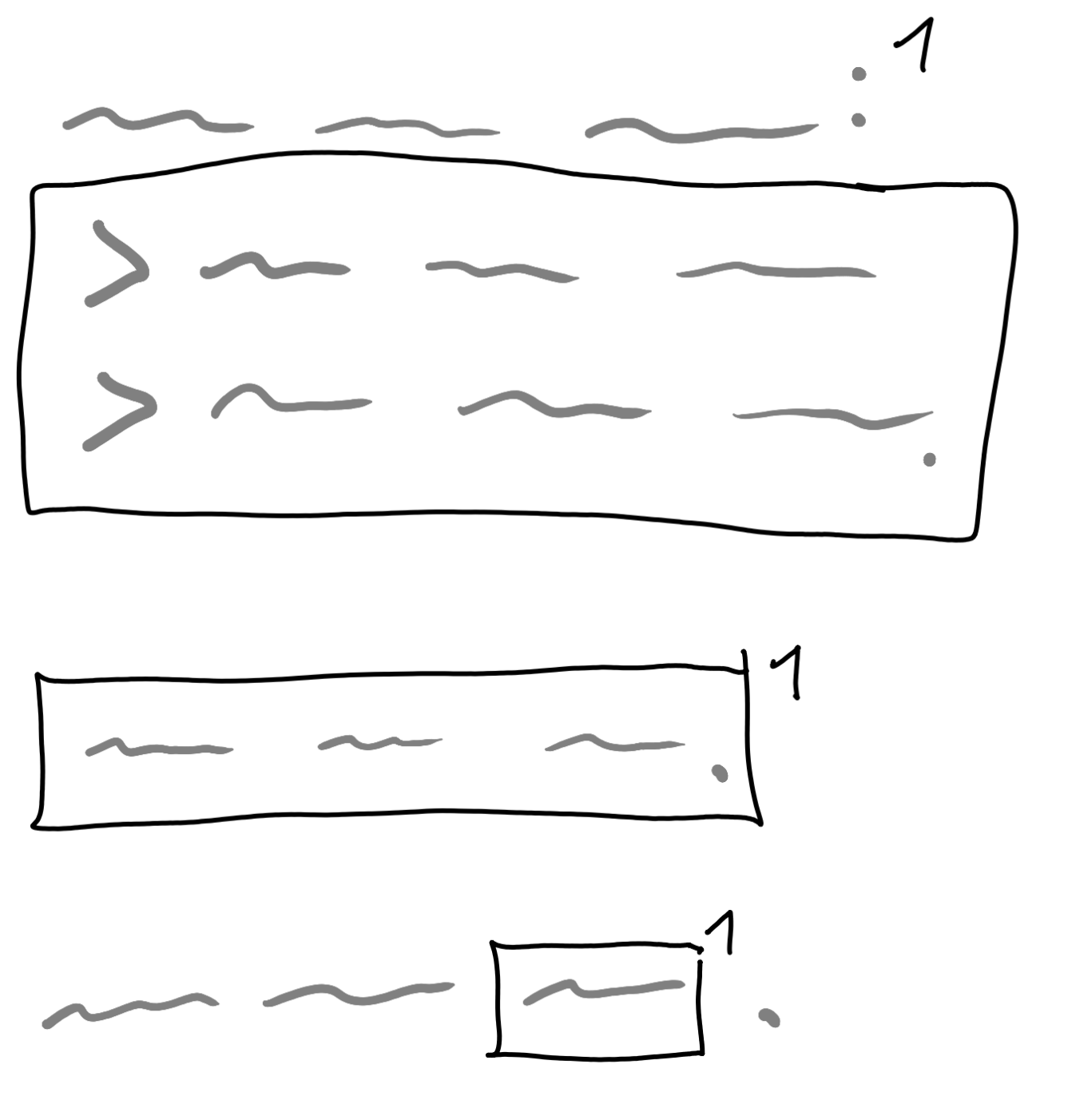
If you haven’t been academically trained on the topic of citations, chances are nobody ever told you about basic citation conventions. It’s not hard, it’s just something you need to learn (and maybe put in your Zettelkasten for reference) once. I present three examples. I chose the form of a footnote because that’s a common way to back up claims that transfers well to other contexts.
The Hidden Problem with Note Titles as Links (And How to Fix It)
Dear Zettlers, In today’s newsletter, we will discuss a fairly technical aspect of the Zettelkasten Method: How to link. The Archive encourages you to link using only the unique identifier. The Archive utilises link-as-search. What you see in the double brackets is not a direct link to another note. Instead, it will perform a search for the string within the double brackets. Since the ID is at the beginning of the file and matches the search term, it will select the note and display its content.
Stop Caring About Your Inbox

While Zettelkasten practice improves thinking outside the Zettelkasten, we’ll have to lay out a specific problem with the Zettelkasten Method: we can only think in and within our Zettelkasten when it is available. However, we are often somewhere else. Naturally, the inbox problem and its two faces arise:
Understand Thinking Notes to Clear Up Your Workflow
Dear Zettlers, This might help you relate McPherson’s book, Effective Note-Taking, to the Zettelkasten Method: The term “note” has multiple meanings that can cause confusion. Engagement notes: Those are notes that you take because they help you to engage with the current input (writing down questions, so you don’t forget to ask them; concept mapping to aid your working memory etc.)
Should You Have a Note Goal Per Day? How To Quantify Creativity to Boost Creative Performance

In the world of the Zettelkasten Method and in the broader world of PKM, size matters. The big, beautiful graph view images, and the number of notes in one’s repository are part of the genre of productivity porn that consistently catches attention. Another genre of productivity porn is the number of written notes per day. So, why not make it a goal to write 10 notes per day? (or 6 or 20)
Fuelling My Top 2% Podcast With 15 Years of Atomic Note-Taking
Dear Zettlers, Currently, I am building a podcast called “Das gute Leben in der Moderne” (“How to Live a Good Life in Modern Times”). When I hit a mere 9 episodes, I got mail (2026-01-13) from podstatus.com that I hit the following rankings on Apple Podcasts:
Rewriting Notes Is Thinking Work, Not Maintenance

I wrote a post that outlines rewriting as one element of how the Zettelkasten Method trains your mind. Rewriting is basically an externalisation of wrestling with an idea. u/UnderTheHole asked on Reddit two very good follow-up questions:
The Cultivation of Knowledge Is the Objective of Knowledge Work
Dear Zettlers, This sentence states perfectly the mechanics of the Zettelkasten as a tool and how to integrate it into one’s overall workflow: The cultivation of knowledge is the objective of knowledge work and productivity workflows facilitate this effort. (Source)
The Friction Fallacy
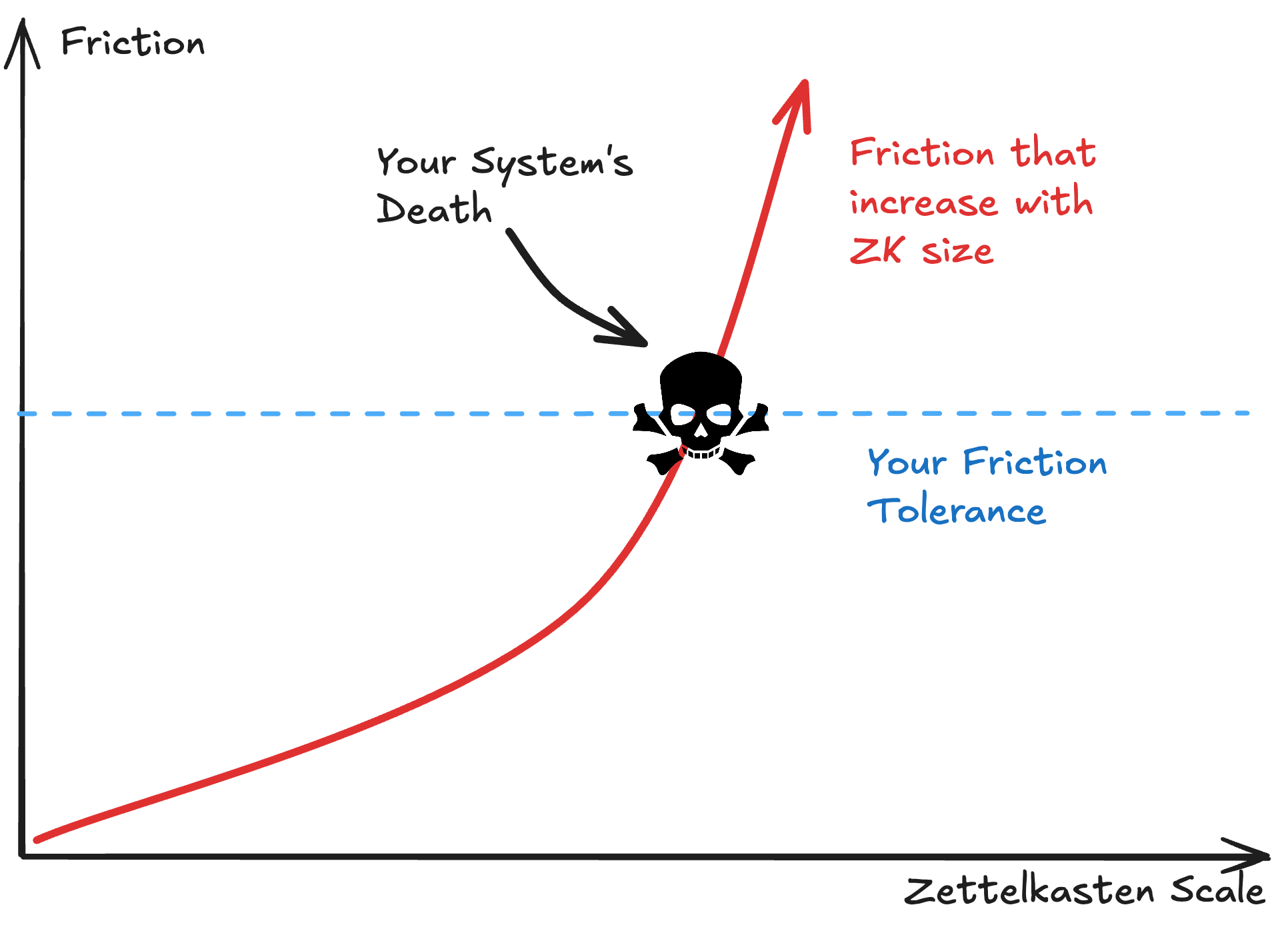
TL;DR: Friction that increases with system size is an existential threat. Any note-taking or knowledge system whose marginal cost per note rises as the system grows will eventually become unusable, regardless of how beneficial it feels early on. A Zettelkasten must be scale-indifferent. It should remain usable even if flooded with massive amounts of low-quality notes. The “one-million bad notes” thought experiment is a stress test for this requirement.